Moles
BOARD-CERTIFIED DERMATOLOGICAL TREATMENT
Most moles are harmless, but changes in size, shape or color can be an early sign of skin cancer. Our board-certified dermatologists examine, monitor and, when needed, remove moles safely with careful attention to scarring.
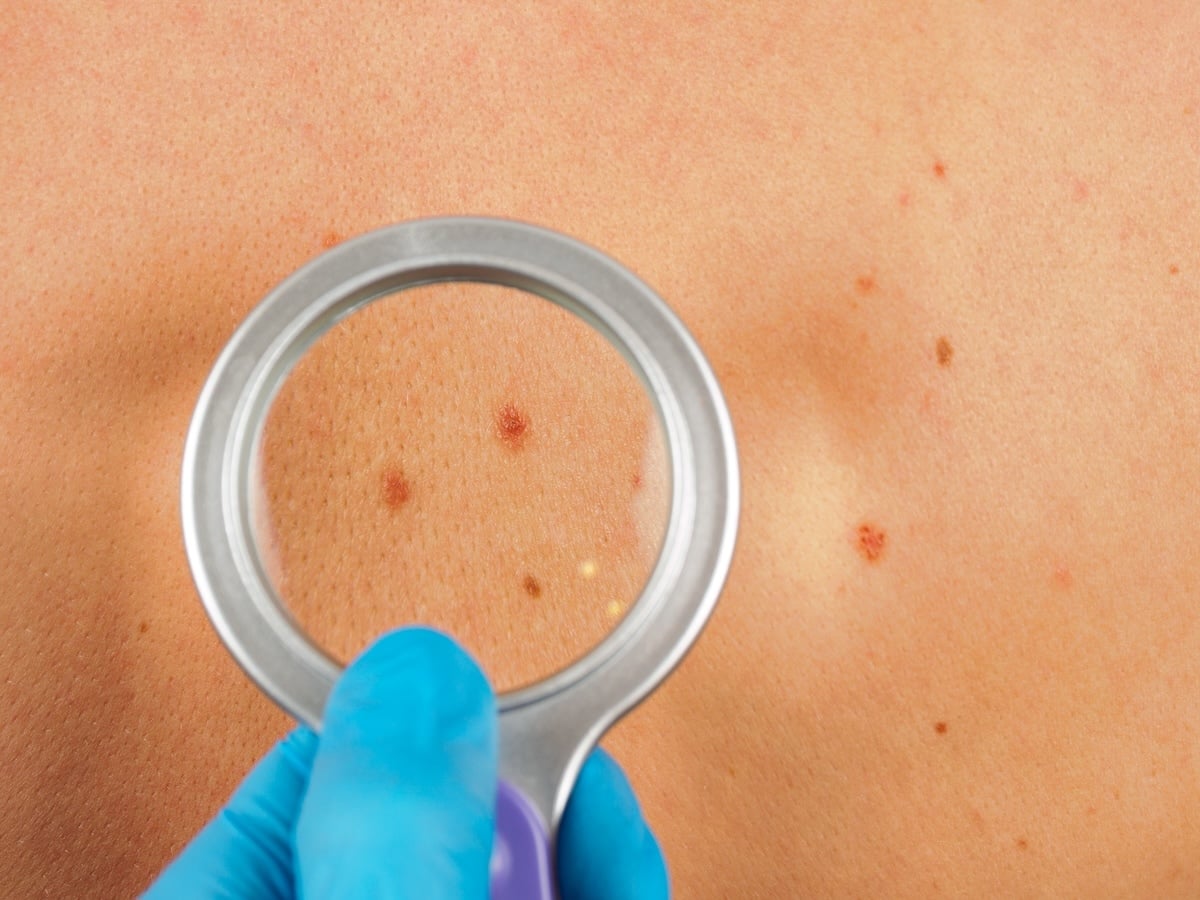
What Are Moles?
Moles, also called nevi, are an extremely common type of skin growth. They can develop anywhere on the body and are typically brown, although they can also appear black, tan, pink, blue or red. Most moles are oval or round, and they commonly develop during childhood or adolescence.
It’s normal for some moles to have hair growing from them, and it’s common for moles to lighten or darken or even fade away over time. Moles develop when melanocytes, the skin cells that produce the pigment melanin, grow in clusters instead of spreading evenly through the skin. Genetics, age, hormonal changes such as pregnancy and frequent sun exposure all increase the likelihood of developing them.
Although most moles are harmless, melanoma, the most serious form of skin cancer, can develop in a mole. That’s why it’s important to know your skin and watch for changes. Our board-certified dermatologists in Orlando, Lake Mary, Winter Park and Melbourne examine, monitor and, when needed, remove moles.
How Do I Know If a Mole Is Cancerous?
Melanoma is very treatable when caught early. Dermatologists use the ABCDEs of melanoma to identify moles that need a closer look. If you notice any of these signs, schedule an exam.
Asymmetry
Common moles are usually symmetrical. If you could draw a line through the middle of a mole and the two halves don’t match, it should be checked by a dermatologist.
Border
Harmless moles tend to have smooth, even borders. A mole with irregular, scalloped or poorly defined edges can be an early warning sign of melanoma.
Color
Most benign moles are a single shade of brown. Moles with several colors, such as brown, black, tan, red, white or blue, or with uneven color, deserve an evaluation.
Diameter
Melanomas are often larger than 6 millimeters, about the size of a pencil eraser, when diagnosed, although they can be smaller. Melanomas typically show some evidence of change in the months before diagnosis, so any mole that is growing should be checked.
Evolving
Change is the most important warning sign. Have a mole checked if it changes in shape, color, size or height, or if it becomes painful, tender, itchy, or starts to bleed or ooze.
According to the American Cancer Society, atypical moles are more likely to become cancerous than common moles. The American Academy of Dermatology (AAD) also recommends an evaluation for any new mole that appears after age 30.
TREATMENT
When Is Mole Removal Necessary?
Unless they’re cancerous, most moles don’t require treatment. You might choose to have a mole removed if it’s easily irritated or snags on clothing or jewelry, or for cosmetic reasons, such as a large or noticeable mole on the face or neck. Never attempt to remove a mole on your own: a dermatologist should always perform mole removal.
Mole Evaluation
Your dermatologist examines your moles, often with dermoscopy, a magnified view of the skin, to tell harmless moles from those that need a biopsy. Photos can be taken to track moles over time.
Surgical Shave
Using a surgical blade, the dermatologist removes a raised mole at the skin’s surface. The area is numbed first, and the spot usually heals with a small, flat mark.
Surgical Excision
The dermatologist cuts out the entire mole and a small margin of normal skin, and closes the area with stitches if needed. This is the standard approach when melanoma is suspected.
Lab Testing
After a shave or excision, the mole can be examined under a microscope to check for cancerous cells, so you’ll know exactly what was removed.
PREVENTION
Keeping an Eye on Your Moles
Although most moles are harmless, you should always monitor them for changes. Regular checks are an important step in the early detection of cancerous moles.
Do Monthly Self-Exams
Check your skin from head to toe once a month using a full-length mirror and a hand mirror, including your scalp, the soles of your feet and between your toes.
Get Annual Skin Checks
A yearly full-body skin exam with a dermatologist is recommended for most adults, and more often if you have many moles, atypical moles or a family history of melanoma.
Protect Your Skin From the Sun
Frequent sun exposure increases the number of moles and the risk of melanoma. Wear broad-spectrum SPF 30 or higher, protective clothing and a hat, especially in Florida’s year-round sun.
Know Your Risk
Having more than 50 moles, atypical moles, fair skin, a history of sunburns or a family member with melanoma raises your risk. Share this history with your dermatologist.
FAQs
Frequently Asked Questions About Moles
Are moles dangerous?
Can I remove a mole at home?
Will mole removal leave a scar?
Is it normal to get new moles as an adult?
What is an atypical mole?